
Black is the New Black
How one bold idea in design transformed a kitchen and challenged everything its homeowners thought they knew about color.
There comes a moment in almost every home renovation when someone around the table hesitates.
"Is it too much?"
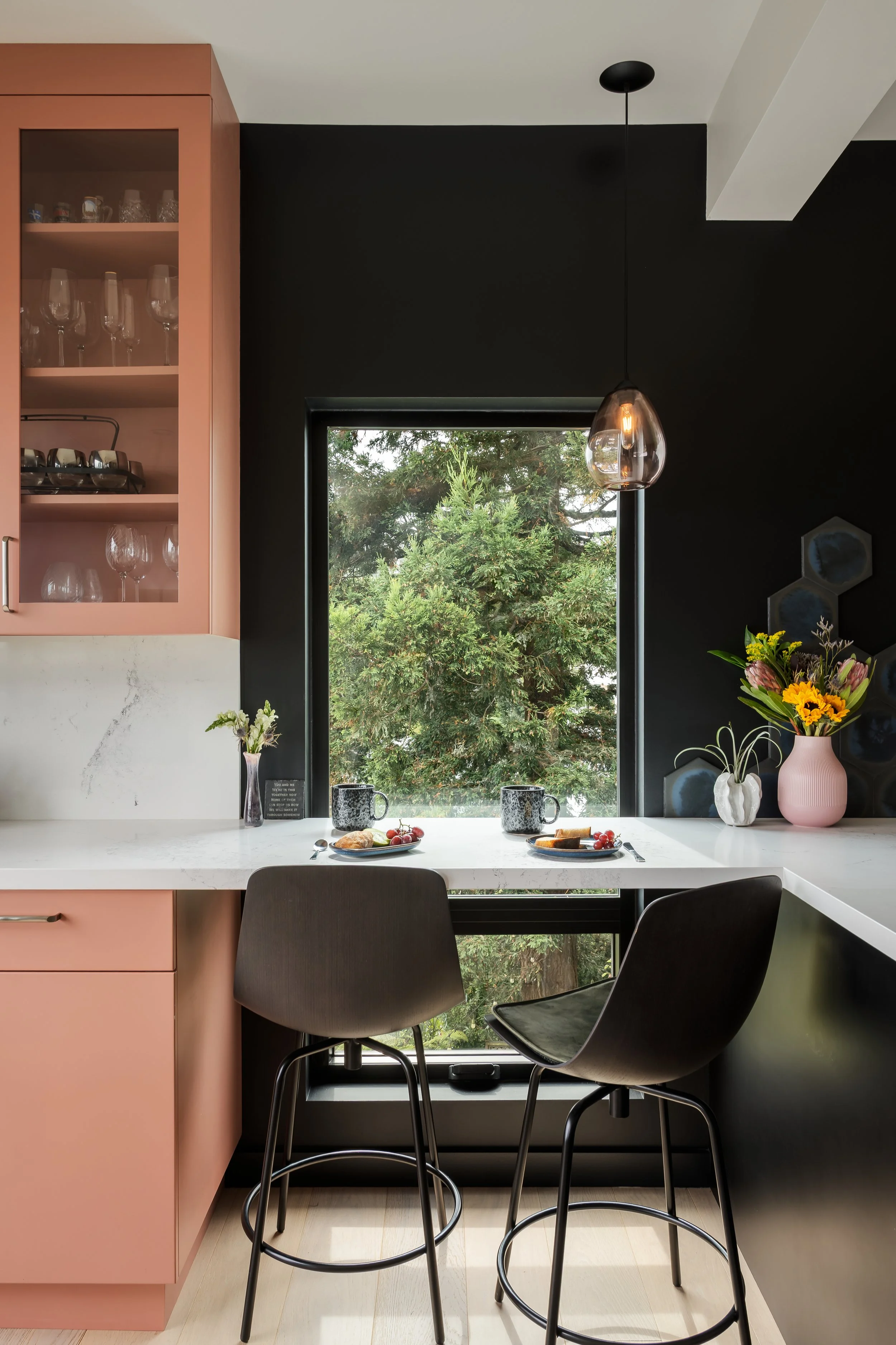
For Kim and Casey, that moment arrived when Loczi Design proposed painting their kitchen black.
Not the island. Not an accent wall. The kitchen.
Conventional wisdom for interior designers says dark colors make a room feel smaller. Heavier. Less inviting. But as the design conversations unfolded, it became clear that conventional wisdom wasn't going to create the home these clients were dreaming about.
What they wanted wasn't trendy.
They wanted a home that felt unmistakably like theirs.
Love the finished home?
Before we dive into the story, you can also explore the complete project portfolio, including additional photography and project details.
It Started With a Kitchen. It Ended Somewhere Much Bigger.
When Kim and Casey first reached out to Loczi Design, they weren't looking for a dramatic transformation. Like many homeowners, they thought they had a kitchen problem.
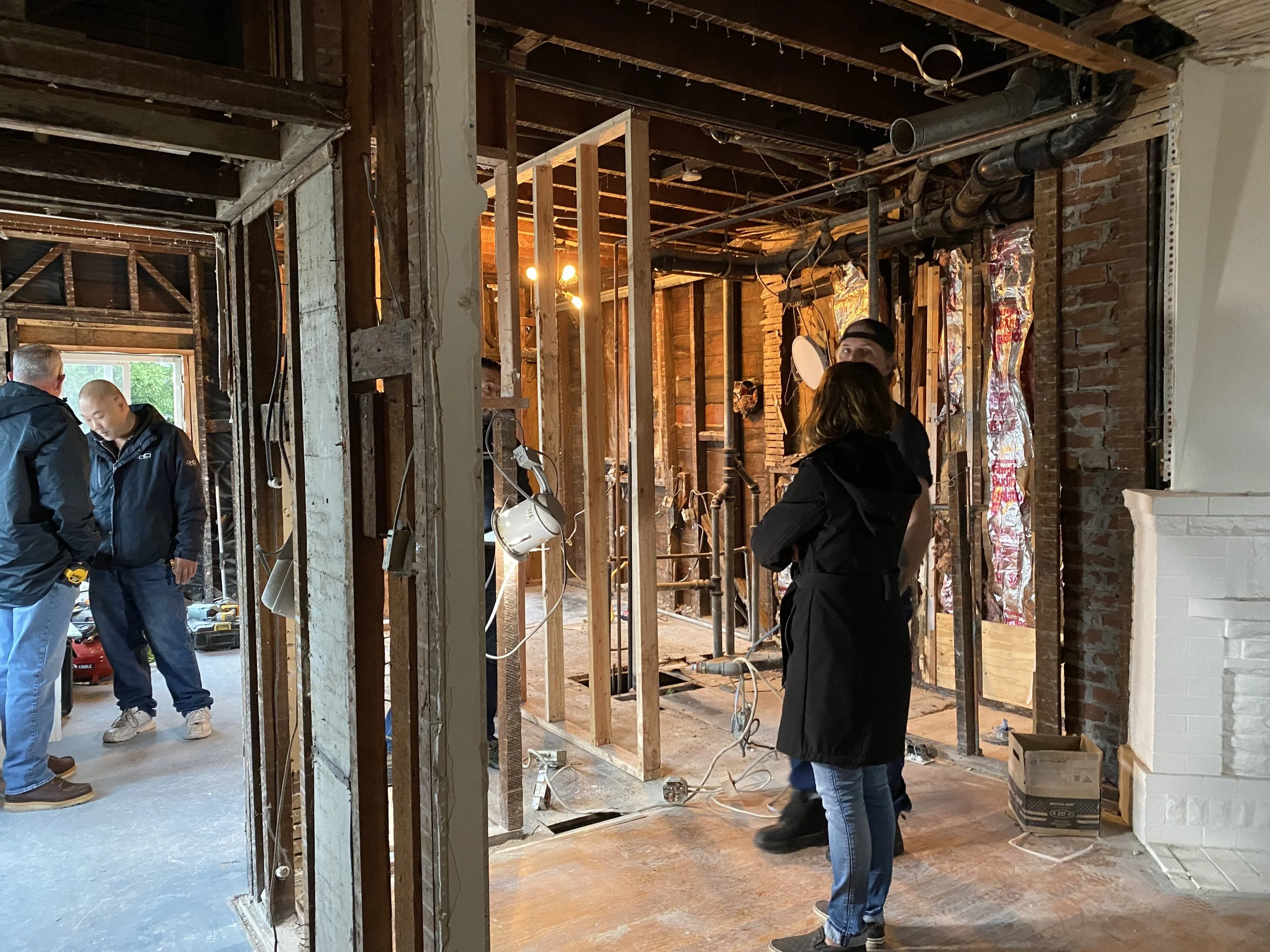
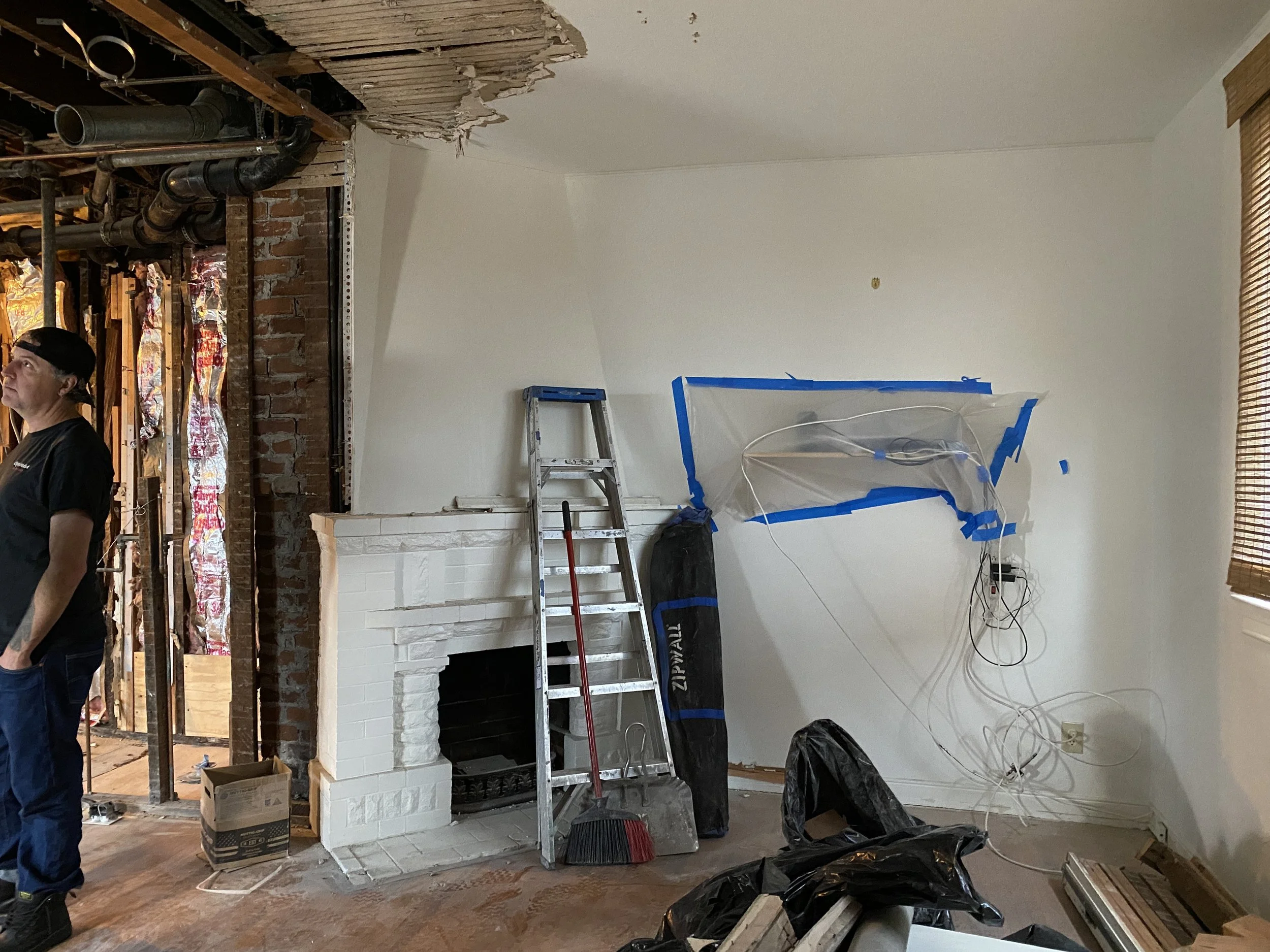
The space was cramped for two people who genuinely love to cook. An unnecessary wall separated the kitchen from the dining room, blocking spectacular backyard views and making the entire main floor feel disconnected. An awkward hallway, an oddly placed bathroom, and layers of soffits created visual clutter that distracted from the home's greatest asset: its connection to the outdoors.
As Principal and Designer Catrina Cooper walked through the house for the first time, the opportunities revealed themselves almost immediately.
The wall had to come down.
The views had to become part of the experience.
Natural light needed to reach farther into the home.
What began as a kitchen remodel slowly evolved into something much more ambitious. The scope expanded to include a new powder room, raised ceilings, larger windows, custom millwork, and a reimagined living space. Every decision built on the one before it.
Not because anyone was chasing a bigger renovation.
Because each improvement made the next one feel inevitable.
Designing Beyond the "Rules"
When Kim first came to us, she had two things she knew for certain:
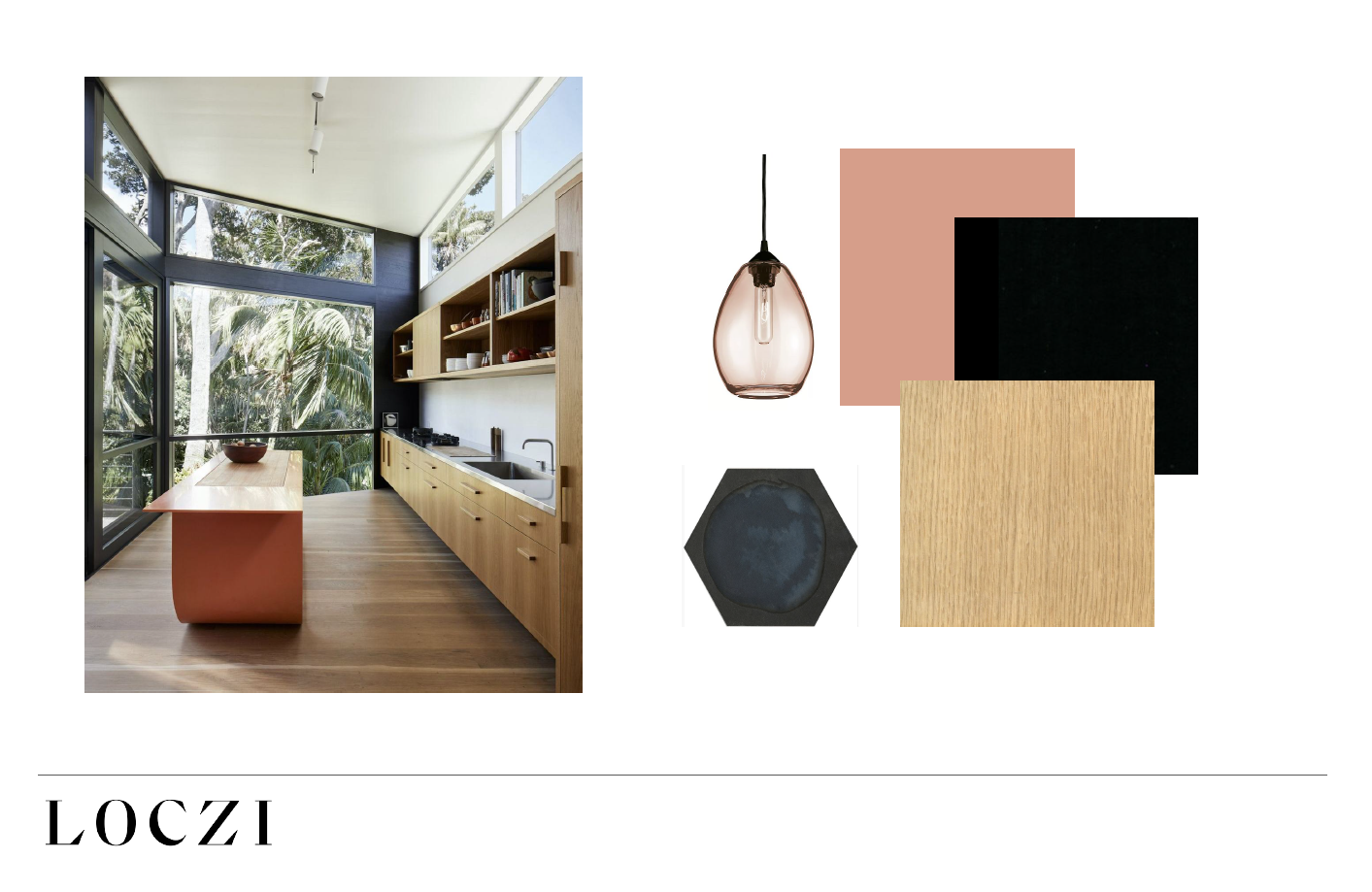
She loved white oak.
She loved black.
Many designers would have treated those as ingredients. Catrina saw them as the recipe. Instead of using black sparingly, what if black became the foundation of the entire design?
The answer didn't arrive overnight. It emerged gradually through months of conversation, collaboration, material exploration, and growing trust. Together, we tested ideas, reviewed samples, refined details, and pushed beyond the expected.
What began as two simple preferences evolved into a home with remarkable depth, character, and confidence: proof that the most memorable interiors often happen when you're willing to question the "rules" and design around what you truly love.
ITS NOT ABOUT PLAYING IT SAFE
Then came another unexpected idea.
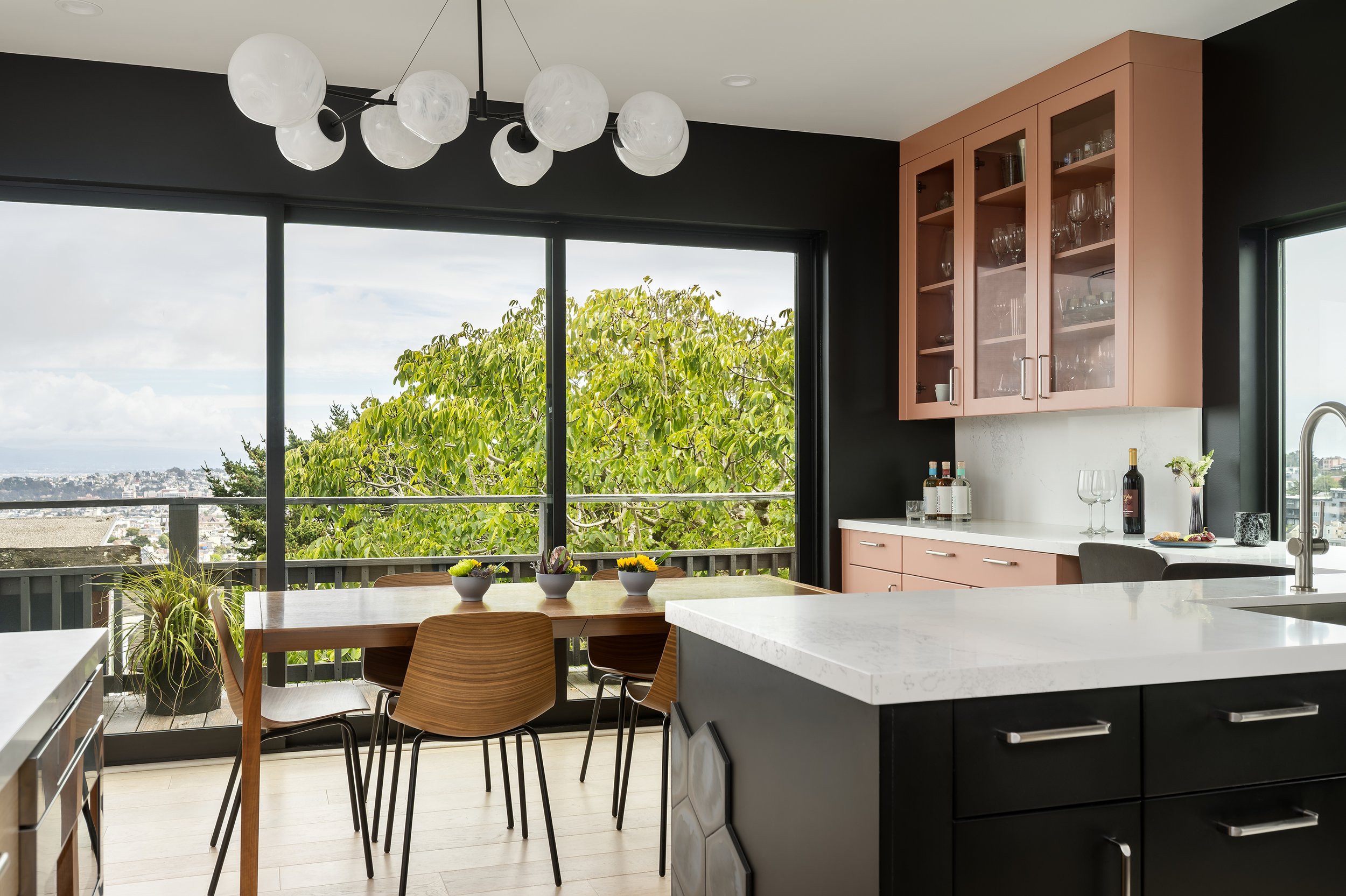
A blush-painted cabinet in the dining room.
Casey's response was immediate.
"Yes."
Kim didn't hesitate.
"Absolutely."
Those moments weren't about persuading clients to take risks. They were about recognizing a shared point of view. By then, everyone at the table understood the goal wasn't to create a home that felt safe or predictable, it was to create a home with character, confidence, and a story uniquely their own.
The best design collaborations happen when trust opens the door to possibility. What starts as a bold suggestion becomes an opportunity to create something far more memorable than anyone initially imagined.
“Working with Loczi Design was one of the best decisions we made. From our initial project call to the final details, the team guided us in ways we didn't even know we needed. We now have a home we love and continue to marvel at every day.”
Why the Kitchen Doesn't Feel Dark
Ironically, the most common concern about this project is the one that disappears the moment you step inside.
The kitchen doesn't feel dark.
It feels alive.
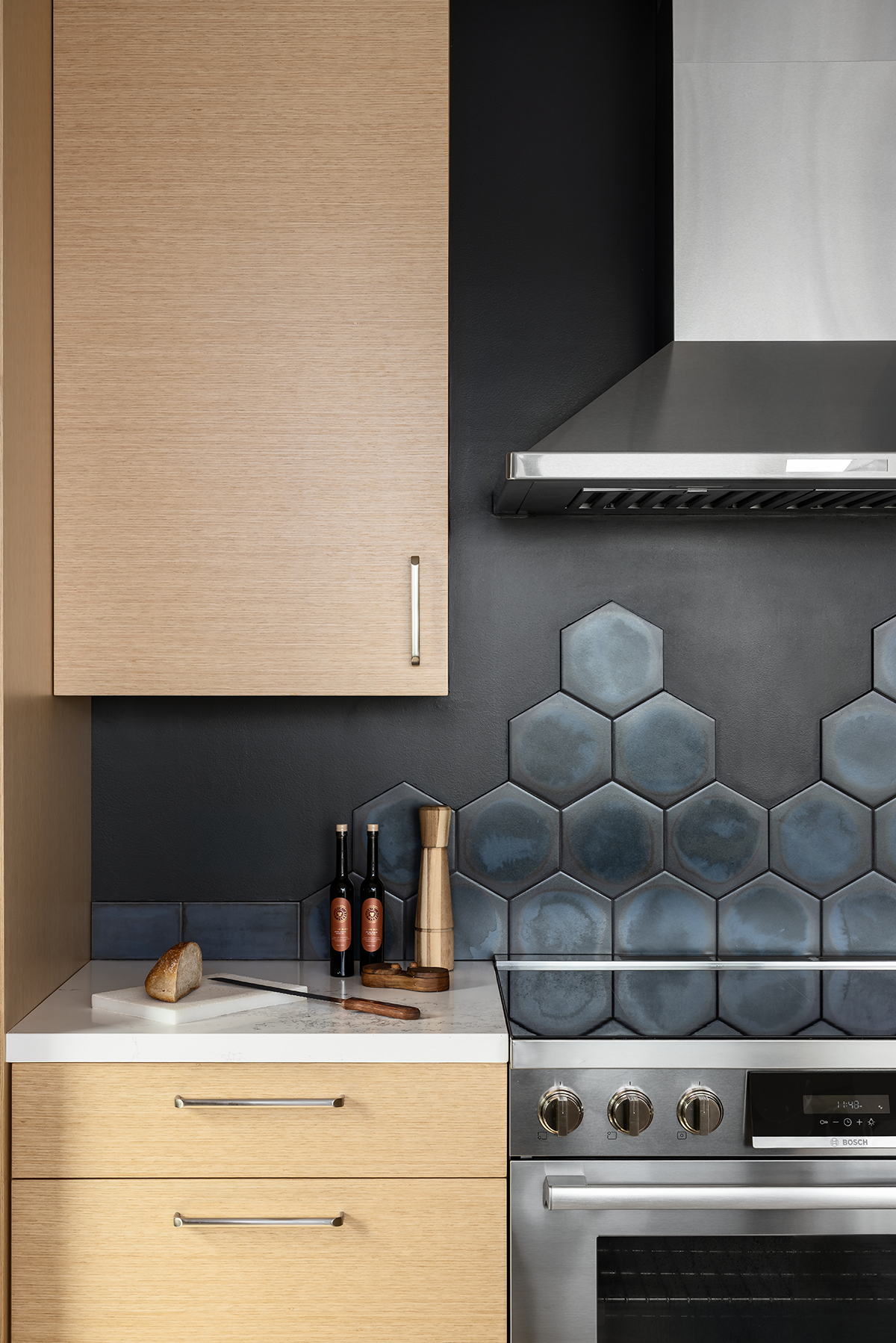
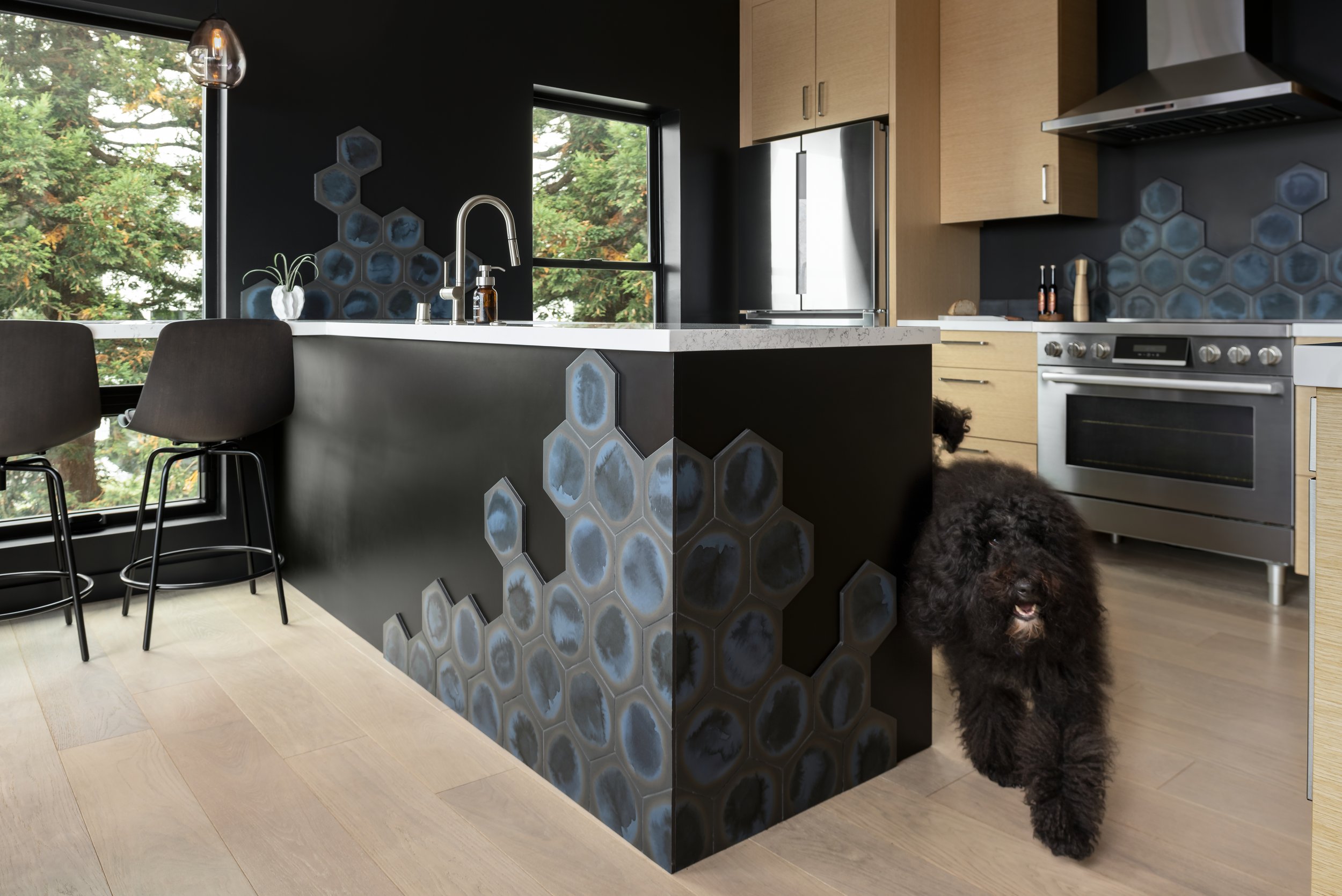
Natural white oak cabinetry brings warmth. A handcrafted blue hexagonal tile backsplash introduces movement and texture. Daylight pours through newly expanded glazing, bouncing across rich materials and creating contrast instead of heaviness.
The black doesn't absorb the room.
It sharpens everything around it.
Instead of becoming the focal point, it becomes the backdrop that allows every other material to sing.
It's proof that color isn't what makes a room feel heavy.
Poor balance does.
The Most Unexpected Design Inspiration
One of the defining design decisions came from an unexpected source.
Sandía.
The fourth member of the family, their dog, with her rich black coat, became a lighthearted reference point during the design process. While not the sole inspiration, she helped reinforce Catrina’s appreciation for black as a color that can feel warm, familiar, and full of depth rather than severe.
That single observation helped unlock the project's defining idea.
Sometimes inspiration doesn't come from a showroom.
Sometimes it's already sitting at your feet. 🐶
Every Home Needs a Surprise
Just beyond the kitchen sits one of the smallest rooms in the house.
It also happens to be one of its biggest moments.
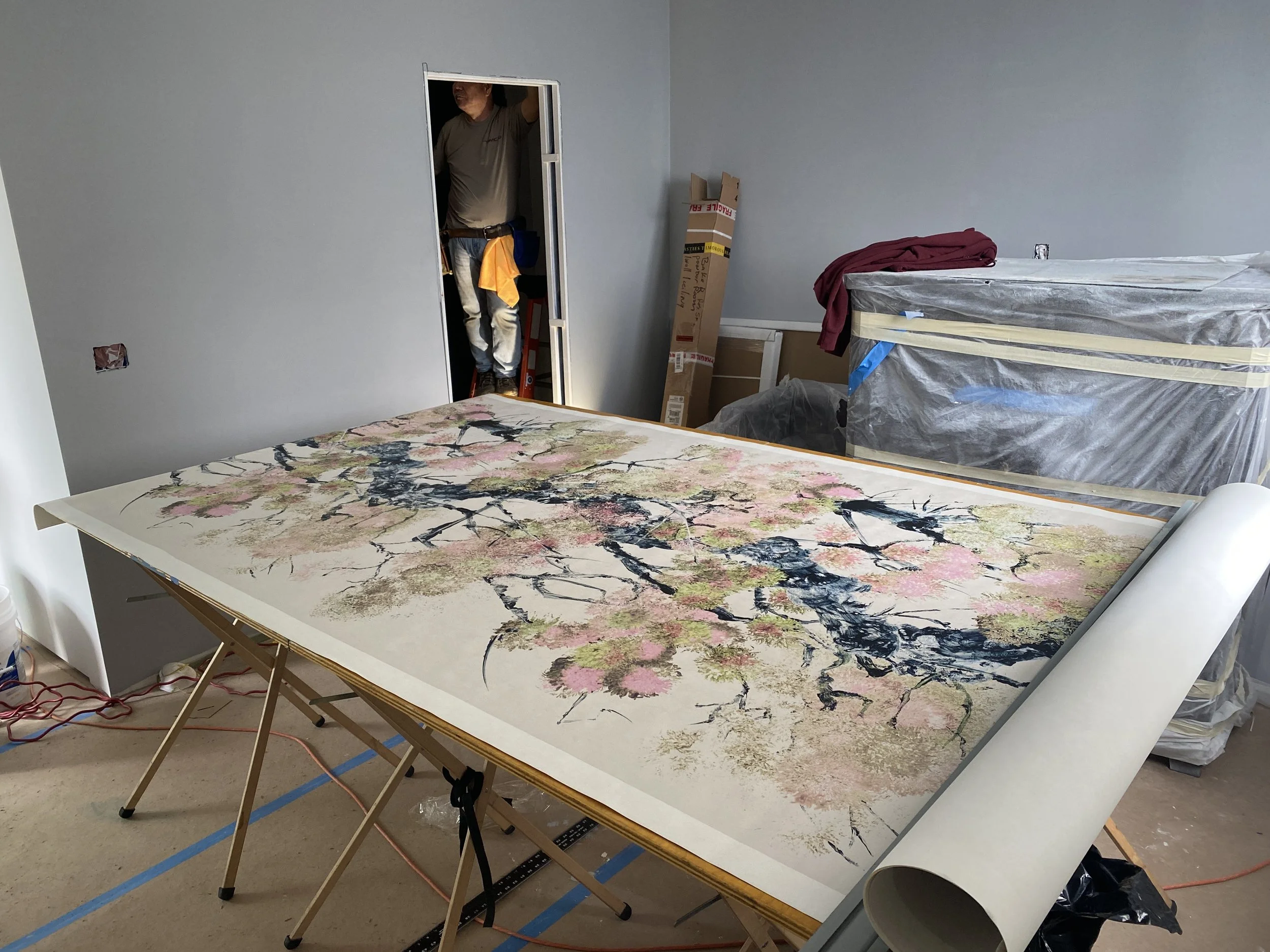
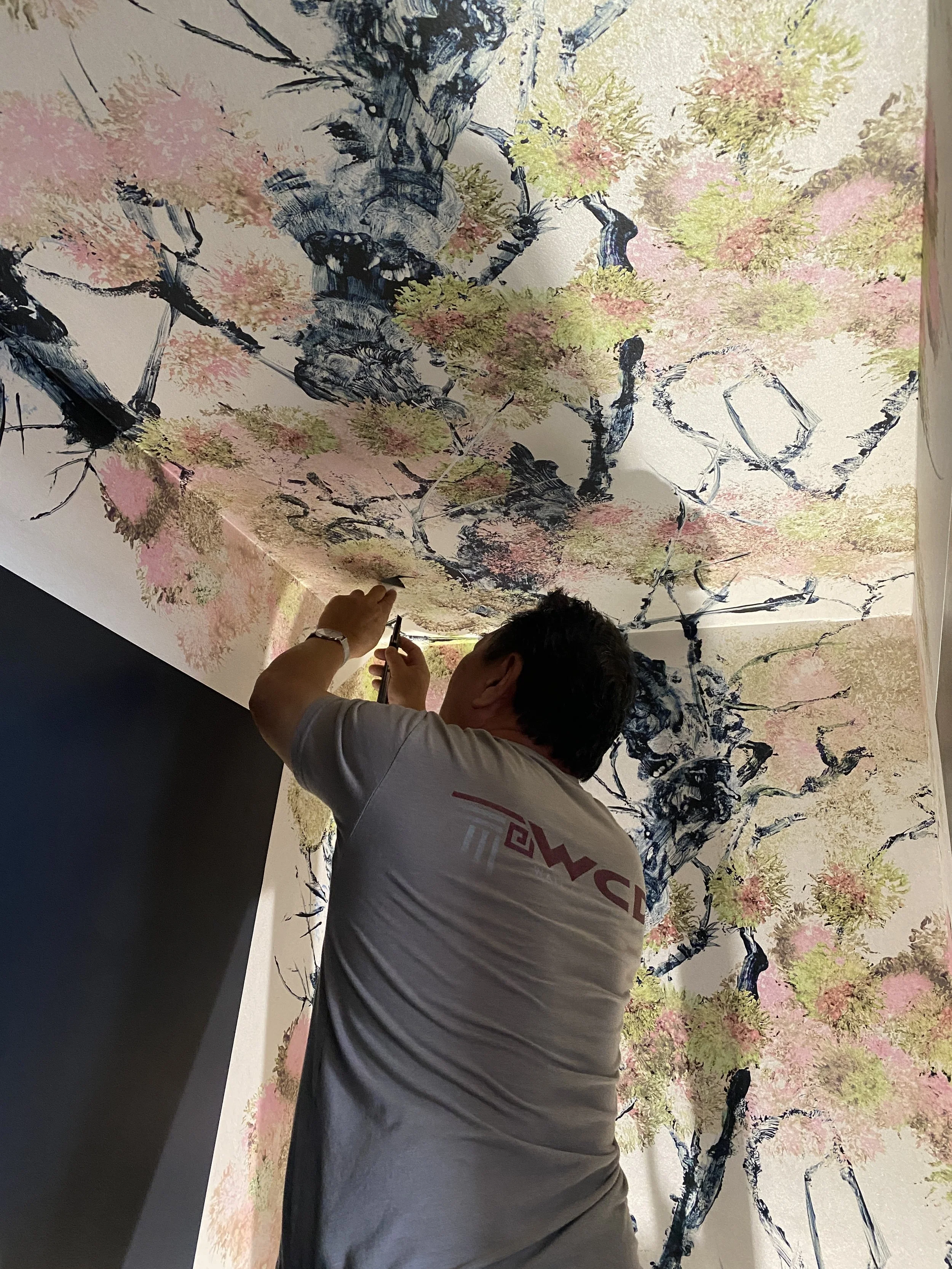
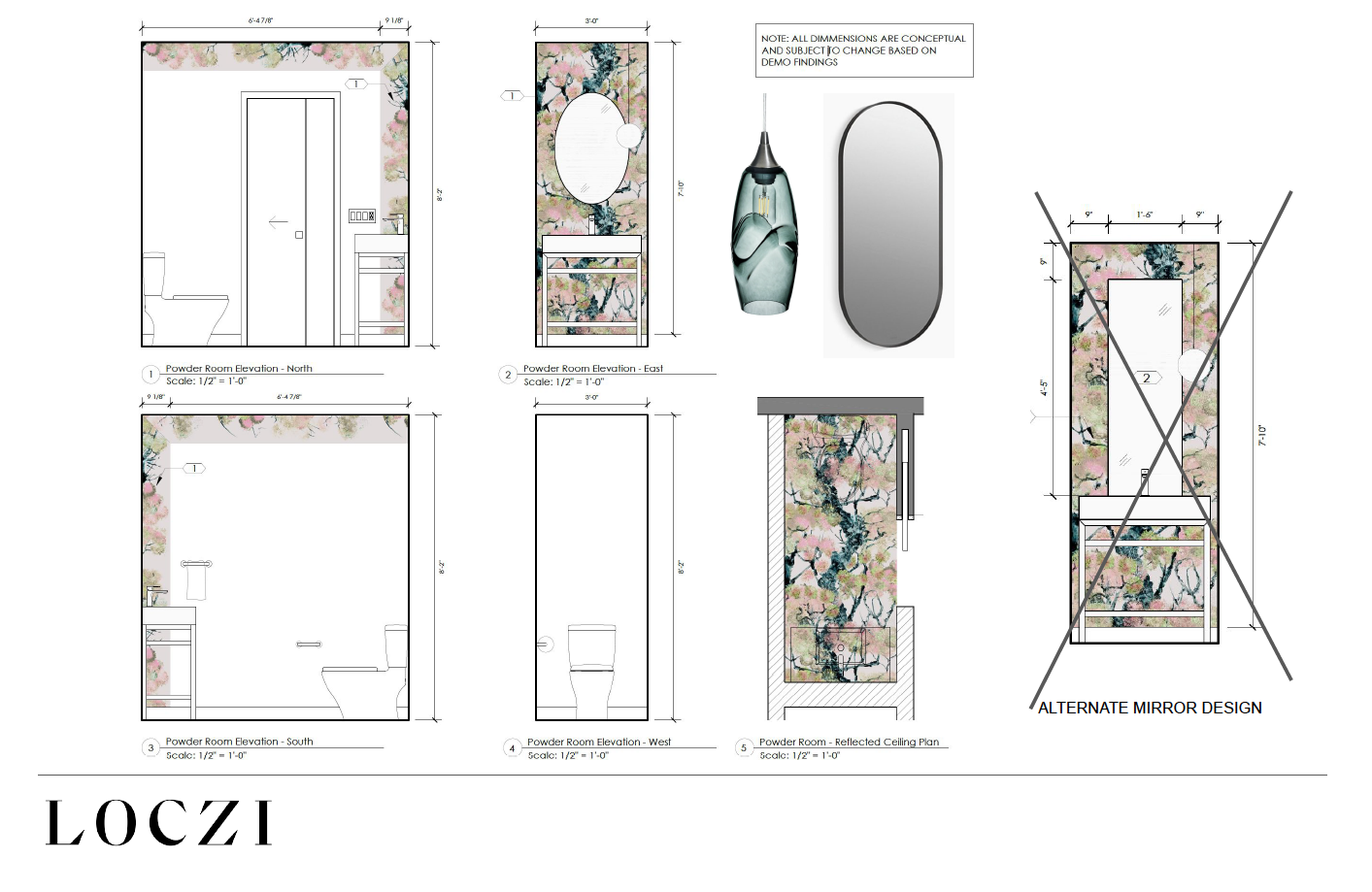
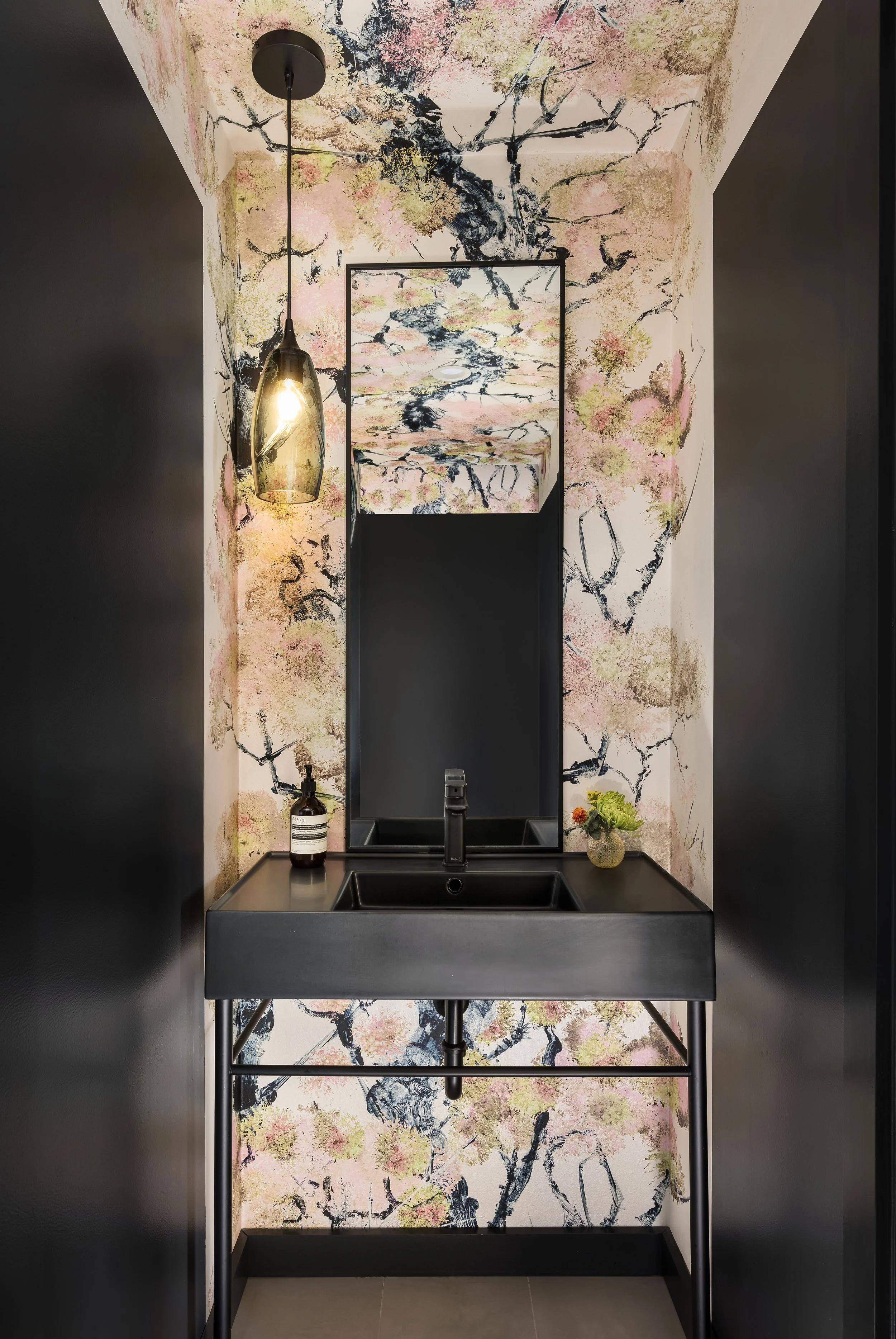
The powder room was never intended to repeat the kitchen. Instead, it was designed as the home's jewel box: a small, immersive space where bold wallpaper, layered materials, and rich textures come together to create an unforgettable moment of delight. While the kitchen establishes the home's design language, the powder room gives it permission to be playful.
It reminds us that memorable homes aren't built from one spectacular room.
They're built from a collection of thoughtful moments that reveal themselves over time.
“Catrina is creative but practical, daring but realistic, and she truly listens. She encouraged us to dream bigger while helping us make informed decisions every step of the way. We couldn't have done this project without her.”
What Made This Project Successful
Beautiful materials certainly helped.
So did talented craftspeople.
But neither explains why this project feels the way it does.
The real difference was trust.
Kim and Casey trusted the process enough to remove walls they hadn't planned to remove.
They trusted ideas that initially sounded unconventional.
They trusted their designer to push beyond what they thought they wanted and discover what their home could become.
In return, the design team listened just as carefully.
The result isn't a kitchen that looks like a magazine.
It's a home that feels completely authentic to the family who lives there.
Black Is the New Black
People often ask if we'd recommend a black kitchen.
The answer isn't really about black.
It's about confidence.
The confidence to challenge assumptions.
The confidence to move beyond safe choices.
The confidence to create a home that tells your story instead of following someone else's.
Because the most memorable interiors aren't created by following rules.
They're created by embracing personality, trusting the process, and allowing great design to surprise you.
Curious how this project was featured in print? You can also read the editorial version published by LUXE Interiors + Design, which offers another perspective on the renovation.
FAQ
Is a black kitchen a good idea?
Absolutely, when it's designed thoughtfully. A black kitchen doesn't automatically feel dark or small. The right balance of natural light, warm materials, and contrast can make it feel dramatic, inviting, and timeless.
Will a black kitchen make my space feel smaller?
Not necessarily. Color alone doesn't determine how spacious a room feels. Layout, lighting, ceiling height, sightlines, and material selection all play a much bigger role. In this project, opening walls and adding larger windows made the room feel significantly larger despite the dark palette.
Why hire an interior designer instead of just remodeling the kitchen?
A designer looks beyond finishes and fixtures to understand how your home functions as a whole. In this project, what began as a kitchen remodel became a complete rethinking of the main floor, improving circulation, natural light, storage, and the way the family lives in the home.
How do you know when a renovation should expand beyond the original plan?
Sometimes removing one obstacle reveals opportunities that weren't visible before. During the design process, homeowners often discover that solving the underlying problem, rather than just updating finishes, creates a much better long-term result. A good designer helps identify which changes add meaningful value and which don't.
How do you make bold design choices without regretting them?
Bold design works best when it's rooted in your personality rather than current trends. Throughout this project, every major decision was guided by the homeowners' lifestyle, preferences, and willingness to trust the design process, resulting in a home that feels authentic rather than trendy.
SIMILAR BLOGS
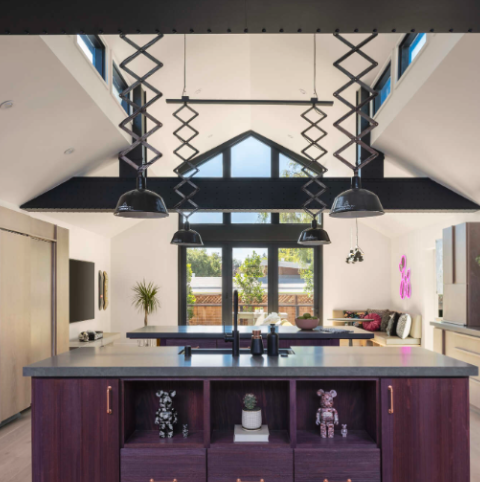
A Palo Alto Masterpiece: Where Moody Industrial Meets Vibrant Personality
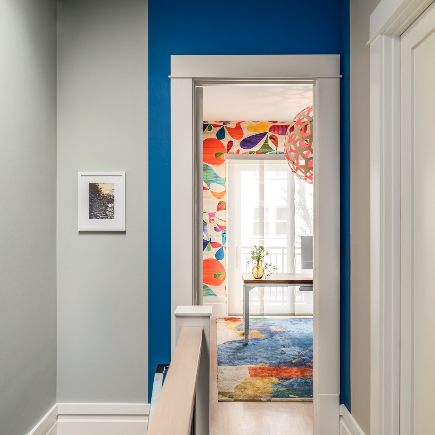
Beyond the Palette: Using Color to Transform the Way You Live
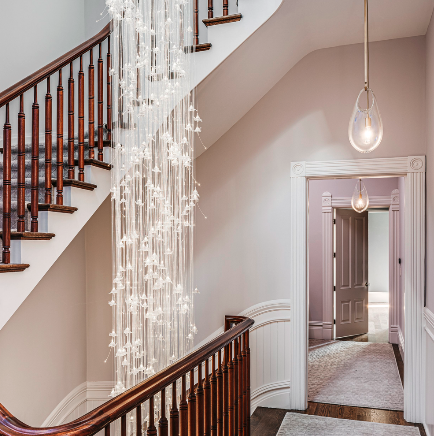
The Essence of Quiet Luxury: Redefining Elegance in Modern Design